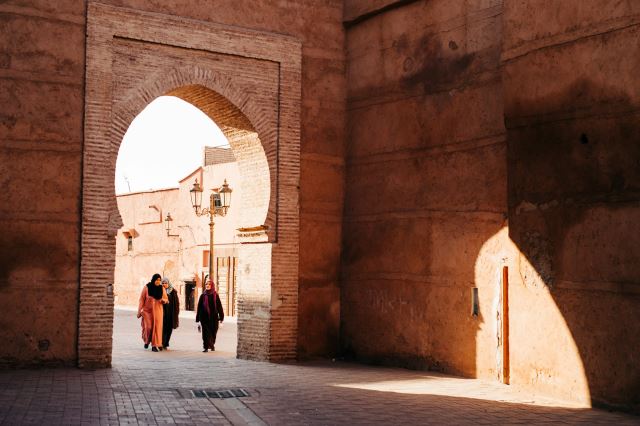
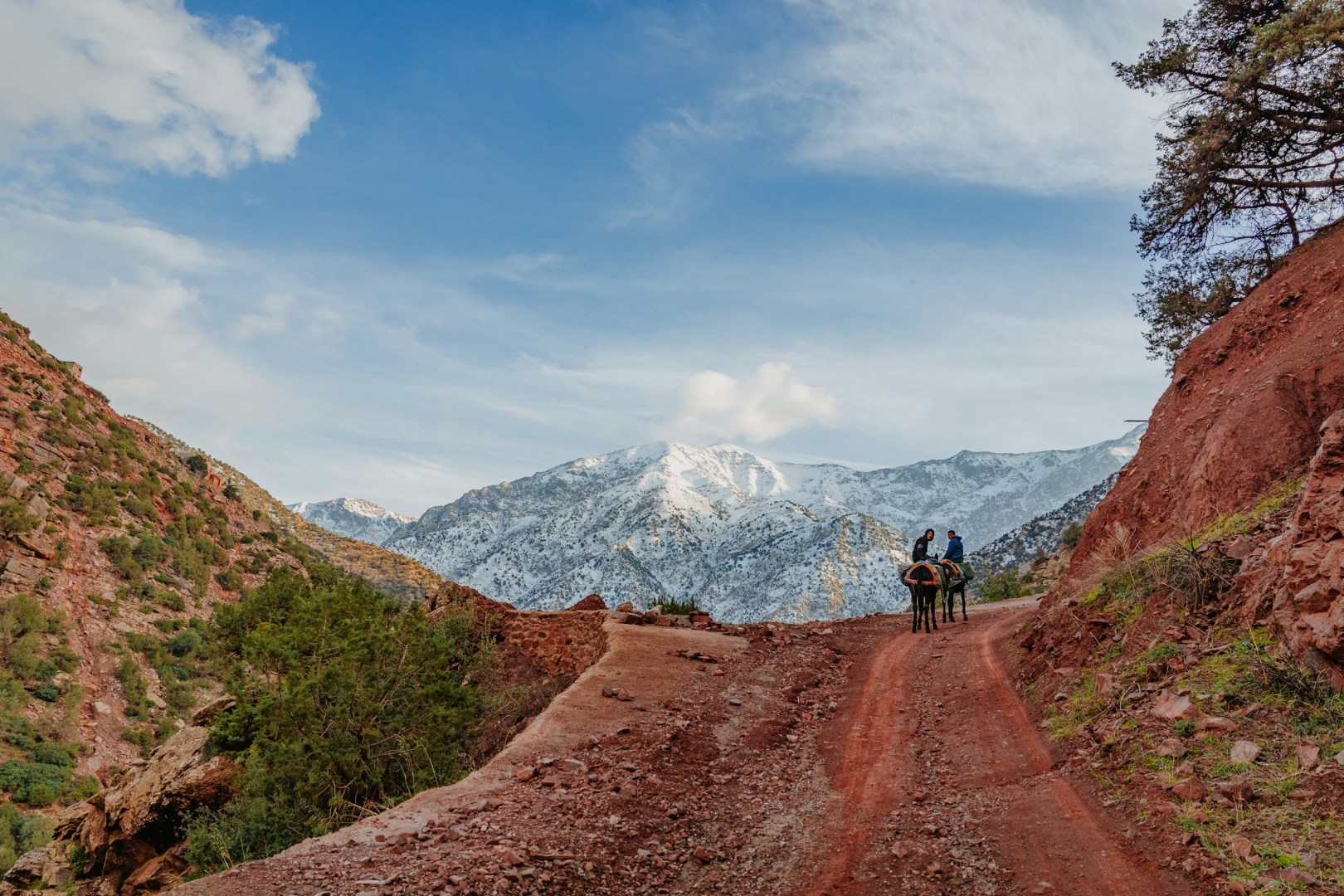

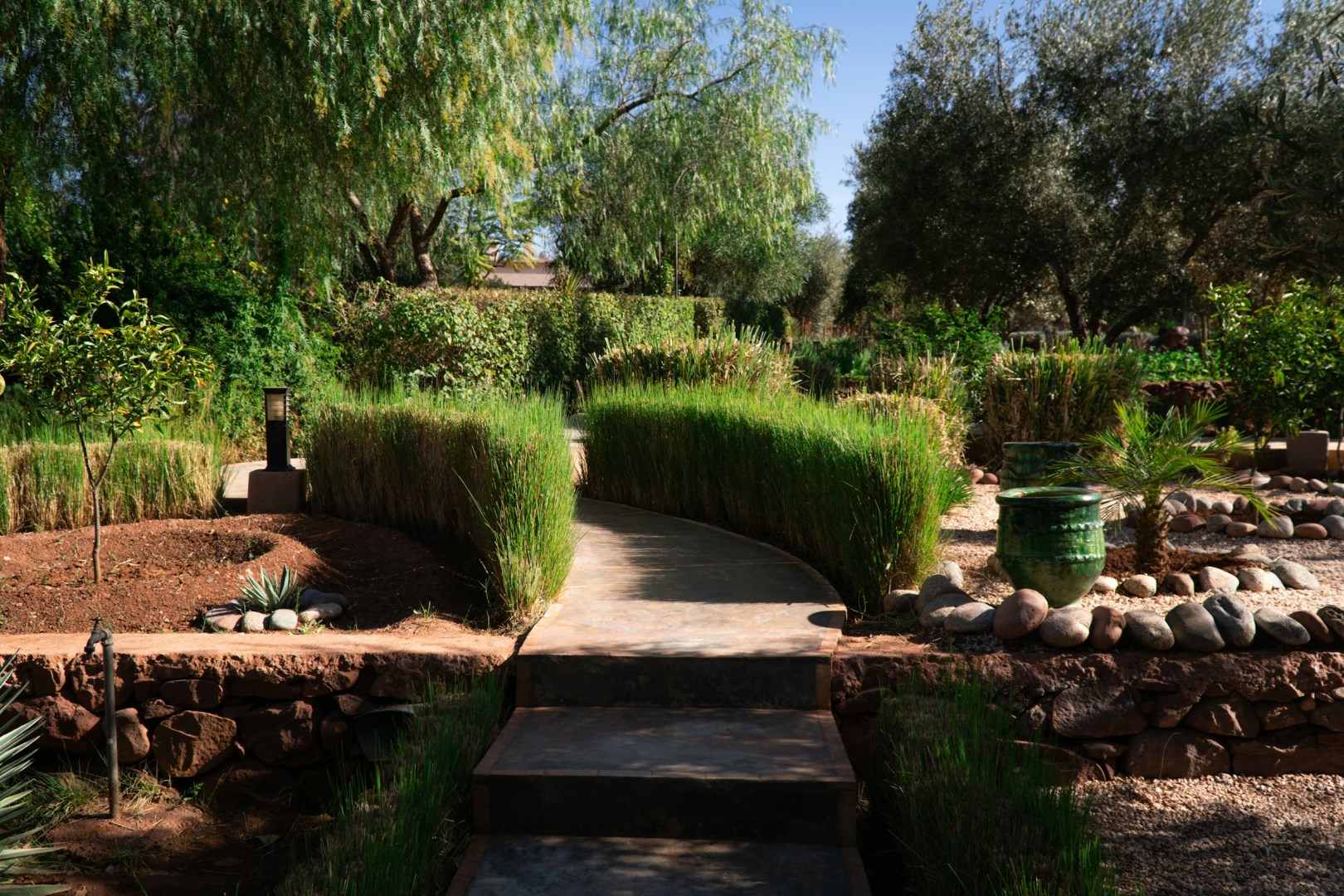
Ourika Valley lies south of Marrakesh in Morocco’s High Atlas Mountains, following the Ourika River through a narrow valley of villages, orchards, terraced fields, and steep mountain slopes. The valley is known for its relatively cool climate and access to the Atlas foothills, making it a marked contrast to the dry plains around Marrakesh. Small settlements extend along the river and up the surrounding slopes, where traditional houses are often built from earth and stone. The valley serves as a gateway to mountain communities and landscapes while remaining closely connected to Marrakesh.
Ourika Valley has a strong Amazigh cultural identity, particularly among communities whose traditions are rooted in the High Atlas. Amazigh languages, customary architecture, agricultural practices, and local crafts remain visible throughout the valley. Villages are traditionally organized around family networks and shared community resources, while farming has long depended on irrigation from mountain streams. Women’s cooperatives in the region are also known for producing argan oil and other handmade products. The valley’s cultural landscape reflects the close relationship between mountain communities, agriculture, and the seasonal flow of the Ourika River.
The Ourika River is the central natural feature of the valley, winding past cultivated terraces, rocky slopes, and shaded riverside areas. Setti Fatma is the best-known settlement in the upper valley and serves as a starting point for walks toward a series of waterfalls in the surrounding mountains. The valley also provides access to trails leading through Amazigh villages and higher mountain terrain. In spring, orchards and hillsides can become particularly green, while the surrounding High Atlas peaks provide a dramatic backdrop. The nearby Toubkal National Park protects a much larger mountain environment farther south.
Food in the Ourika Valley reflects Amazigh and Moroccan mountain cooking, with tagines, couscous, mint tea, freshly baked bread, and seasonal vegetables commonly served in local homes and restaurants. River trout and other locally prepared dishes may also appear on menus along the valley. Argan products, honey, walnuts, and other foods from mountain agriculture are important local specialties. A distinctive feature of the valley is its terraced farming system, which makes productive use of narrow strips of land beside steep slopes. Small irrigation channels distribute mountain water to orchards and fields, allowing agriculture to continue in terrain that would otherwise be difficult to cultivate.
Other Popular Destinations in Morocco